The exhibition Body as Resistance is the first solo museum exhibition by Yemeni-Egyptian-American artist Yumna Al-Arashi (b. 1988, Washington D.C.). The exhibition focuses exclusively on the body as a symbol and instrument of resistance. The exhibition uses photography to illustrate the physical and emotional power of the body. Huis Marseille, a gallery housed in a monumental canal house, with its intimate and quiet spaces, provides a fitting environment in which the features of the photographs can be fully appreciated.
What stands out about Body as Resistance is its focus on the body as a medium of activism and cultural expression. The images show diverse stories of resilience and protest, using the body to expose social and political issues. The exhibition avoids traditional portraiture and deliberately chooses powerful compositions that emphasize the physical reality and emotional impact of the subjects.
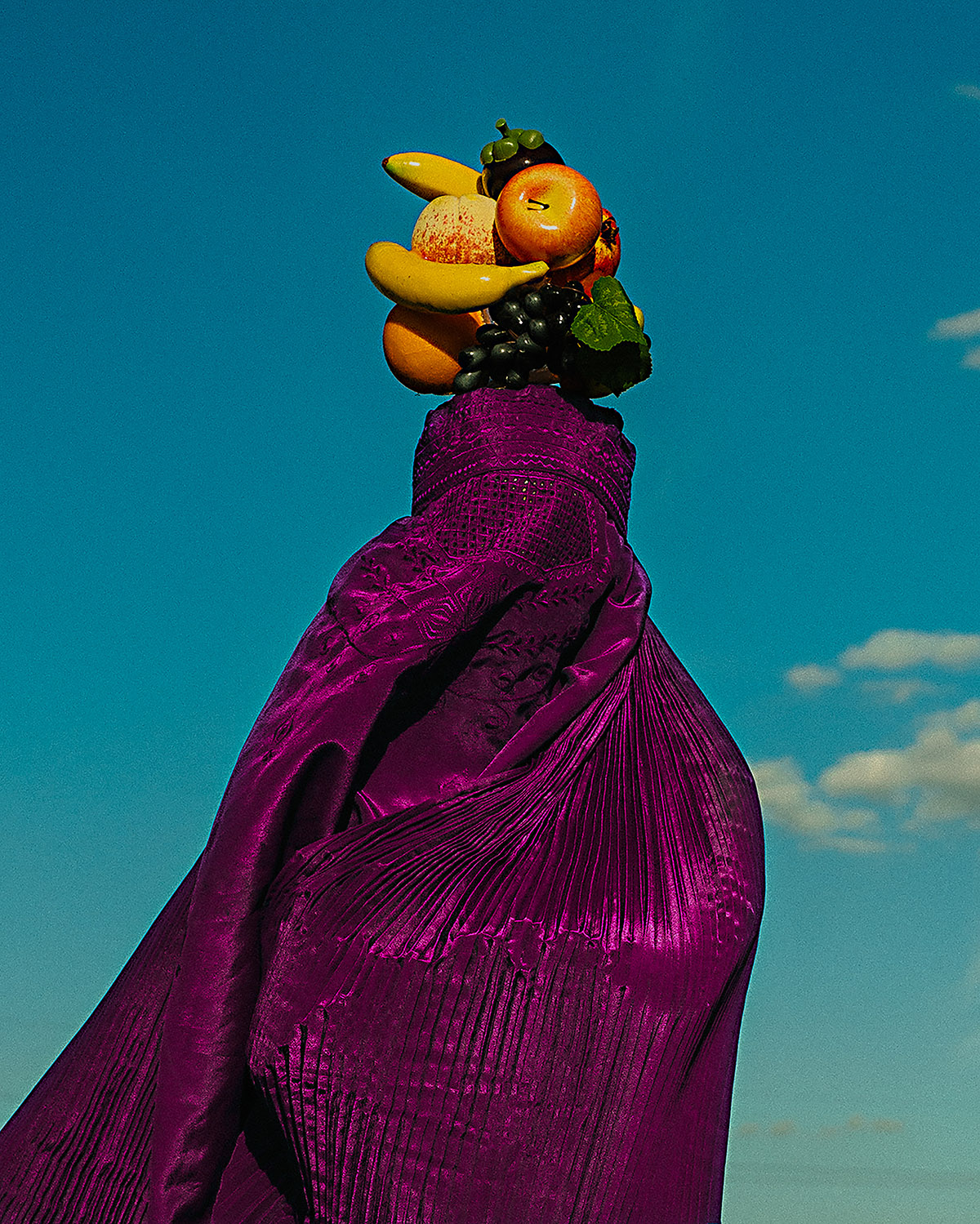
The photographic techniques chosen range from documentary to conceptual, giving each photograph its own dimension within the theme. This makes for a multifaceted presentation in which the body is always the connecting factor. The setting of Huis Marseille with its classical elements and clean lines enhances the direct confrontation with the images, inviting visitors to reflect.
The photographic techniques chosen range from documentary to conceptual, giving each photograph its own dimension within the theme.
Through this theme, Body as Resistance translates current social discussions into a visual language. This makes the exhibition relevant to a broad audience, including people interested in art, photography and social issues. With this exhibition, Huis Marseille once again functions as a place where photography and social engagement come together.
Location
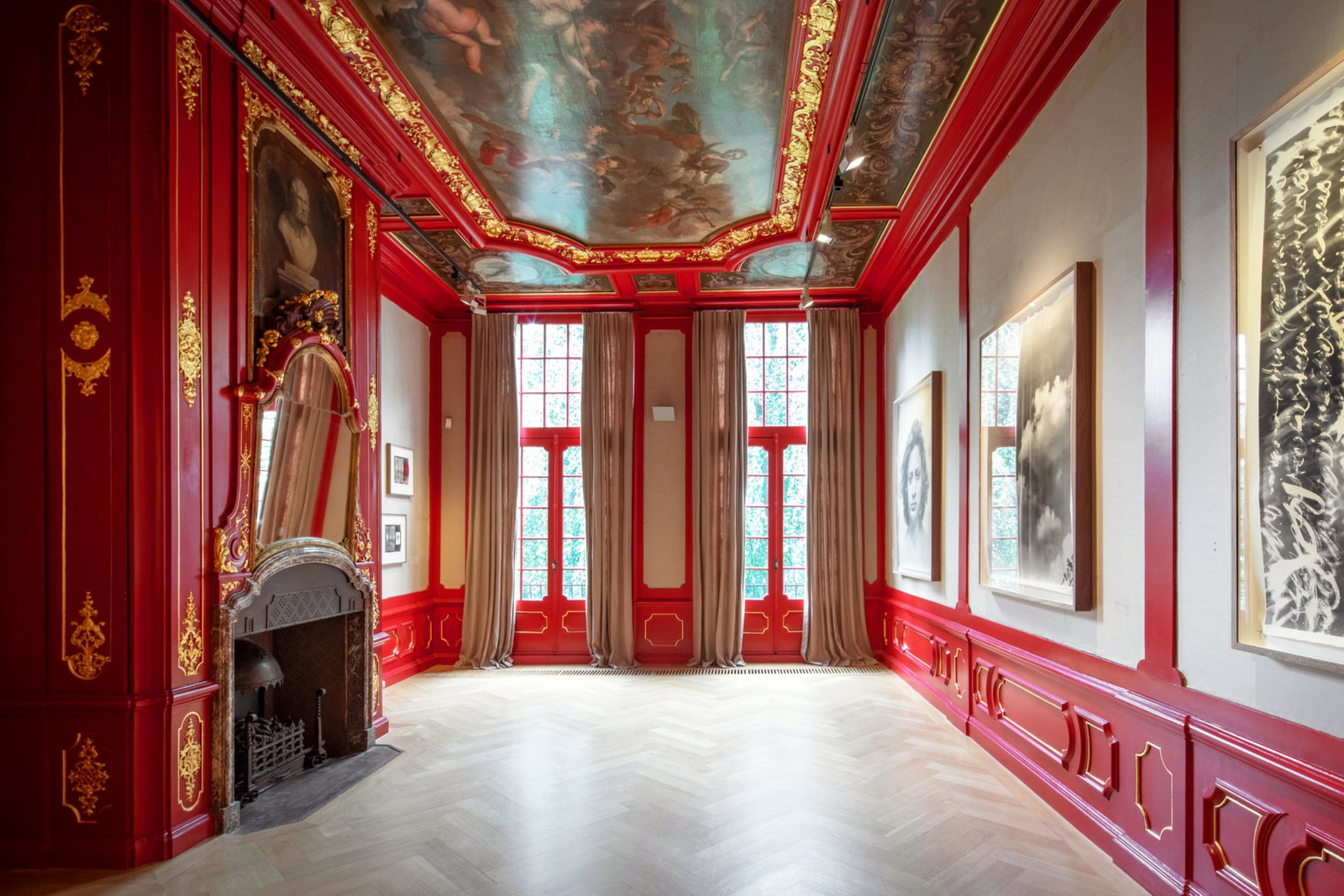
Huis Marseille: photography museum in two canal houses on Keizersgracht
A house museum where 17th-century details and changing photography enhance each other.
Huis Marseille works precisely because it's a house (not a neutral museum floor) Huis Marseille is in two monumental buildings on the Keizersgracht, with that classic layout you don't find in modern museums anymore: front of house, rooms that flow into each other, a staircase that forces you to pace yourself, and in between details where your gaze ...
Read more